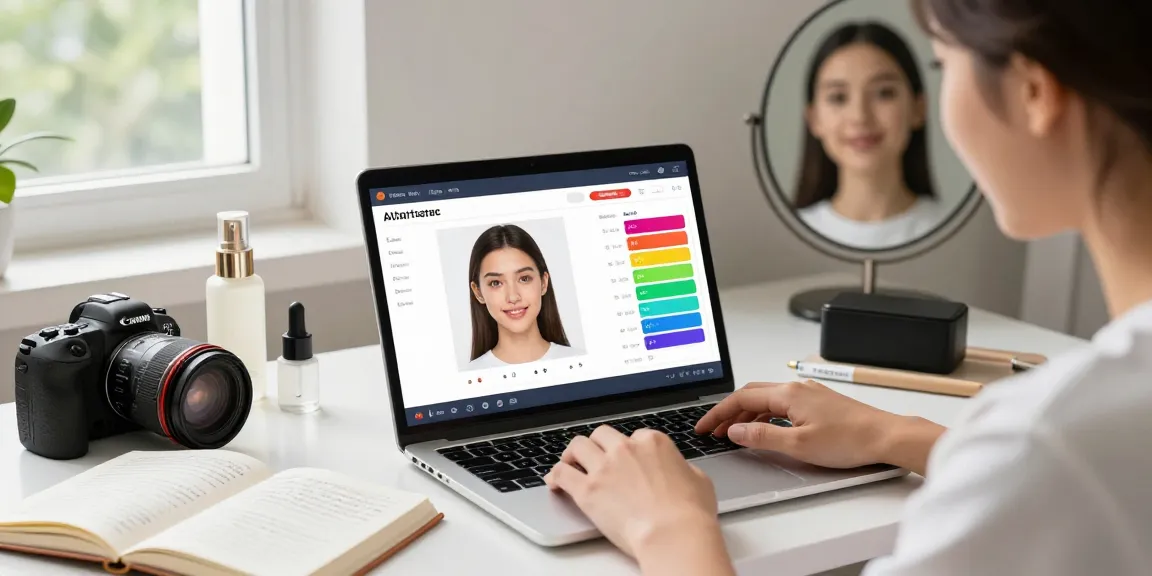
Understanding the Attractive Test
The concept of beauty has captivated humanity for centuries, but in the digital age, beauty assessments have taken a groundbreaking leap through technology. The attractive test is a modern tool designed to evaluate one's physical appeal using artificial intelligence and advanced algorithms. This tool leverages data and facial analysis to provide insights into attractiveness that resonate with contemporary beauty standards. As we delve into the mechanics and implications of these tests, we will uncover how they work, what they truly measure, and their impact on self-perception and societal norms. For those looking to explore their own attractiveness, platforms like attractive test provide a unique opportunity to engage with their appearance in a new light.
What is an Attractive Test?
An attractive test assesses various facial features and characteristics to generate a score or rating of beauty. Typically, this process involves uploading a photograph that is analyzed by AI algorithms. These tests often evaluate parameters such as facial symmetry, proportion, and the presence of certain aesthetic traits that have been identified through psychological and sociological studies as attractive.
How Attractive Tests Work
Attractive tests generally function by using image processing technology. They begin by detecting key facial landmarks—points that indicate specific features on the face, such as the eyes, nose, and corners of the mouth. The AI measures distances and angles between these points to calculate symmetry and proportion, which are traditionally associated with beauty. The final score usually ranges from a predetermined low to high value, such as 1 to 10, reflecting the perceived attractiveness of the individual based on the analyzed image.
Debunking Myths Surrounding Beauty Scores
While attractive tests can provide a numerical representation of beauty, they are often misinterpreted as definitive judgments of worth. Many individuals might believe that a lower score equates to a lack of value or attractiveness, which is far from the truth. It's essential to recognize that beauty is subjective, shaped by personal preferences and cultural standards. Therefore, scores generated by these tests are not absolute measurements but rather reflections of specific aesthetic criteria that may not resonate universally.
The Technologies Behind Attractive Tests
AI and Machine Learning in Beauty Assessment
Artificial intelligence and machine learning are pivotal in the development of attractive tests. These technologies analyze vast amounts of data from diverse populations to identify patterns in what is considered attractive across different cultures and demographics. By training algorithms on millions of images, AI becomes adept at assessing nuances in beauty that may not be immediately apparent to the human eye.
Facial Landmarks and Symmetry Analysis
Facial landmark detection is a critical component of attractive tests. This method involves identifying specific facial features and measuring their alignment and symmetry. Research has shown that symmetrical faces are often perceived as more attractive, and hence, algorithms focus significantly on this aspect. Various studies have highlighted that even slight deviations in symmetry can affect perceptions of attractiveness.
Data Privacy Concerns with Image Uploads
As attractive tests require users to upload personal images, data privacy remains a significant concern. Users must be aware of how their data is stored, used, and shared. Responsible platforms ensure that images are processed securely and that personal information is protected. Transparency in data usage policies is crucial for building trust with users and encouraging them to engage with these technologies.
Benefits of Taking an Attractive Test
Improving Self-Confidence Through Feedback
One of the main benefits of participating in attractive tests is the potential boost in self-confidence. By providing constructive feedback based on aesthetic analysis, these tests can help individuals recognize their unique features and strengths. When users comprehend their results, they can focus on aspects they appreciate about themselves, leading to a more positive self-image.
Utilizing Scores for Enhanced Personal Grooming
Individuals can use the scores obtained from these tests to inform their grooming and styling choices. For example, someone who receives a high score may feel encouraged to experiment with bold makeup or fashion choices, while someone with a lower score might seek tips on enhancing their appearance based on the feedback provided. This practical application of test results can lead to a more personalized approach to beauty.
Understanding Beauty Standards in 2026
In 2026, beauty standards are continually evolving, influenced by societal changes and increased awareness of diversity and inclusivity. Attractive tests can help individuals navigate these shifts by offering insights that align with contemporary ideals. Understanding what constitutes attractiveness today can empower users to embrace their individuality rather than conform to outdated or narrow definitions of beauty.
Challenges and Limitations of Attractive Tests
Subjectivity of Beauty and Cultural Differences
Beauty is not a universal standard; it varies significantly across cultures and individuals. What one person finds attractive may differ from someone else's perspective. Attractive tests often reflect a particular set of beauty ideals, which may not resonate with every user. This subjectivity can lead to misunderstandings regarding the results and feelings of inadequacy among those whose beauty aligns differently.
Technical Limitations of Current AI Models
Despite advancements, current AI models have limitations. They may struggle to accurately evaluate certain features or fail to account for the enriching complexity of diverse beauty standards. Additionally, algorithms can unintentionally perpetuate biases if their training data lacks diversity, leading to skewed results that do not accurately reflect broader cultural aesthetics.
Realistic Expectations: What Scores Really Mean
While it can be tempting to place significance on a numerical score, it is crucial to maintain a balanced perspective. These results should be viewed as one of many tools for self-exploration rather than a definitive measure of worth. Users should remember that self-esteem should not hinge solely on a score generated by an AI system but rather on a holistic view of self-acceptance and appreciation.
Future of Attractive Tests: Trends to Watch
Advancements in Accuracy and User Experience
The future of attractive tests is poised for significant enhancements, particularly in accuracy and user experience. As technology progresses, AI models will become more refined, capable of providing deeper insights into beauty without the biases present in earlier iterations. This evolution will be critical in establishing credible and meaningful assessments that resonate with a wider audience.
The Role of Augmented Reality in Beauty Analysis
Augmented reality (AR) is set to play an increasingly important role in beauty assessments. By integrating AR with attractive tests, users could potentially visualize potential changes to their looks in real-time, helping them make informed decisions about grooming and styling. This interactive element could revolutionize how people perceive their beauty and groom themselves.
Predictions for Attractiveness Testing by 2026
As we look ahead to 2026, we can expect attractiveness testing to become more personalized and integrated with social platforms. The proliferation of AI technology will likely lead to increasingly sophisticated tools that not only analyze physical features but also incorporate user preferences and personality traits into the evaluation. This comprehensive approach could redefine the standards by which we understand and assess beauty.
What Makes You Attractive? User Insights
In the quest to understand attractiveness, user insights play a vital role. Trends indicate that many individuals prioritize not just physical attributes but also personality and charisma in their assessments. As attractive tests continue to evolve, they may increasingly incorporate elements beyond facial analysis, focusing on holistic aspects of what makes someone attractive to others, encompassing both appearance and demeanor.