Understanding the Concept of Age Estimation
In today's digital age, the question "how old do I look?" transcends mere curiosity. It combines elements of technological innovation, psychological perception, and social interaction, making it a compelling topic in various industries, from skincare and beauty to social media and marketing. Age estimation systems utilize advanced algorithms to analyze facial features, often yielding surprising results. This article will dive deep into the intricacies of age estimation, exploring how it works, its applications, and its implications for the future.
For those intrigued by this question, how old do I look offers a unique opportunity to discover a new layer of self-awareness, aided by AI technology.
What Does "How Old Do I Look" Mean?
The phrase "how old do I look?" serves several purposes. For many, it's a playful inquiry, often used in social settings or casual conversations. However, on a deeper level, it reflects our societal obsession with age and appearance. As we navigate through life, our perceived age can significantly influence others' perceptions of us, affecting everything from job opportunities to social interactions.
Technological Advances in Age Recognition
The technological landscape surrounding age estimation has evolved tremendously. Early attempts at age estimation relied on manual assessments by trained professionals. Today, thanks to advances in artificial intelligence and machine learning, age estimation can be performed automatically by simply uploading a photo to an app. This technological shift not only enhances accuracy but also democratizes access to age estimation tools, making them available to a broader audience.
How AI Works in Estimating Age
Machine Learning and Facial Recognition Technology
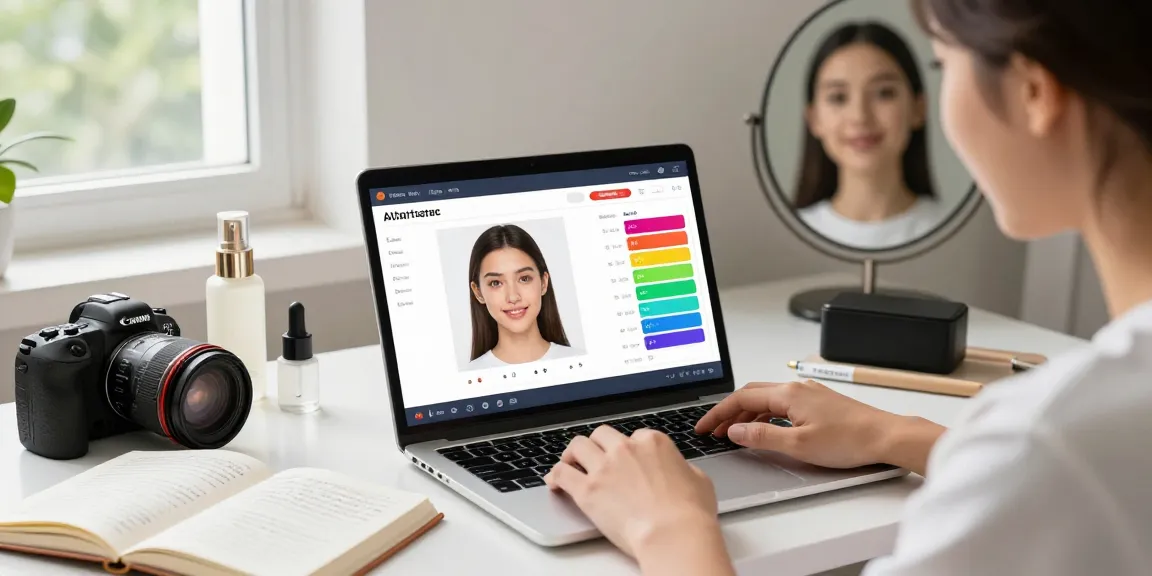
At the core of age estimation tools lies sophisticated machine learning algorithms. These algorithms analyze various facial features, such as wrinkles, skin texture, and facial proportions, to predict age. Data sets containing images of faces, classified by age, are used to train models, enabling them to recognize patterns associated with different age groups. When a user uploads a photo, the tool compares the facial characteristics against its learned database to provide an age estimate.
Data Privacy Considerations in Age Estimation
As with any technology involving personal data, privacy concerns are paramount. Age estimation apps often require users to upload their images, raising questions about data protection and user consent. Reputable services implement robust privacy policies to ensure that users' images are not stored or misused. Understanding these privacy terms is crucial for users who wish to engage with these technologies securely.
Limitations of AI Age Estimators
Despite the advancements, AI age estimators are not infallible. Various factors, such as lighting, angle, and makeup, can significantly influence age estimation accuracy. Additionally, cultural and ethnic differences in facial features may lead to biases in how different demographics are represented and assessed by these systems. As a result, users should approach the results with a healthy dose of skepticism and awareness of these limitations.
Real-World Applications of Age Estimation Tools
Trends in Social Media and Filters
Social media platforms have embraced age estimation technologies, integrating them into filters and applications that allow users to see how they might look at different ages. This trend has not only provided entertainment but has also sparked discussions about societal standards of beauty and age. The blend of creativity and technology facilitates user engagement while also encouraging self-reflection.
Using Age Estimation in Marketing Strategies
Marketers are increasingly leveraging age estimation tools to create tailored content for specific audiences. By understanding the perceived age of their target demographic, brands can craft messages that resonate more deeply, addressing age-related concerns and aspirations. For instance, skincare brands may utilize age estimation to promote anti-aging products directly to users who may perceive themselves as older than their actual age.
Benefits for Personal Branding and Influencer Marketing
Influencers often rely on age estimation tools to navigate their brand identity. Understanding how their audience perceives their age can guide content creation and engagement strategies. A beauty influencer who consistently appears younger than her actual age may focus on showcasing products that align with youthful aesthetics, while another may lean into mature themes to reflect a more seasoned perspective.
Challenges and Misconceptions About Age Estimation
Common Misunderstandings in Age Perception
One prevalent misconception is that age estimation tools can provide a definitive answer about one's age. Instead, these tools represent an average based on various algorithms and data inputs, which can lead to misinterpretations. It's essential to recognize that the results are often more reflective of societal beauty standards than personal reality.
Ethical Implications of Age Recognition Technology
The rise of age recognition technologies also raises ethical questions. How should companies handle user data? What happens when biases affect the accuracy of age estimations? Addressing these ethical dilemmas is crucial for the responsible development and deployment of such technologies, ensuring that they serve to empower rather than exploit users.
Addressing User Concerns and Privacy Issues
To build trust with users, age estimation services must prioritize transparency. This includes clear communication about how data is used, shared, and protected. By fostering an environment of trust, companies can alleviate fears related to data misuse, encouraging more individuals to engage with these technologies without apprehension.
The Future of Age Estimation in 2026 and Beyond
Upcoming Trends in AI and Machine Learning
As we look towards the future, innovations in AI and machine learning will likely lead to even more accurate and nuanced age estimation tools. Integrating emotional recognition and context-aware technologies may help these systems offer more personalized insights, making them even more valuable across various applications.
Innovative Features to Expect in New Apps
Future age estimation applications may include features such as augmented reality (AR) integration, allowing users to visualize how different skincare routines or lifestyle changes can impact their perceived age. Additionally, interactive elements that provide users with feedback on maintaining youthful features could enhance user engagement and satisfaction.
Predictions for Age Recognition in Various Industries
Various industries will increasingly adopt age recognition tools for strategic benefits. Healthcare providers may use age estimation to tailor health recommendations based on perceived age, while advertising agencies could refine targeting strategies based on user age perceptions. As these technologies become more accessible, their potential applications will only expand.