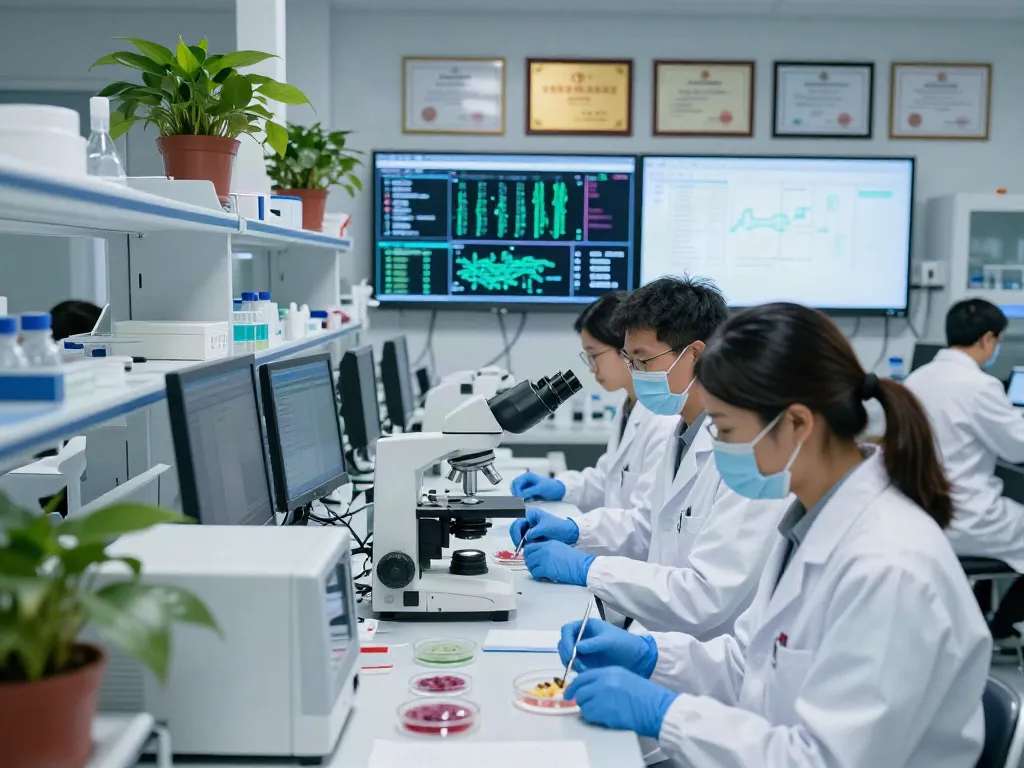
Understanding Biobanks: A Foundation for Cancer Research
In the realm of modern medicine, biobanks play a critical role in advancing cancer research. By storing biological samples such as blood, tissue, and other bodily fluids, they provide invaluable resources for researchers looking to understand cancer better and develop more effective treatments. The term "biobank" refers to a repository that collects, processes, stores, and distributes biological samples for scientific research, particularly in the field of oncology. When exploring options, Biobank for cancer research provides comprehensive insights into how these banks operate and their significance in the scientific landscape.
What is a Biobank and Its Role in Cancer Research?
A biobank serves as a vital infrastructure that supports cancer research by making high-quality biological samples available. These samples are often linked to extensive clinical data, including patient history, treatment outcomes, and genetic information. Such integration allows for a more nuanced understanding of cancer behaviors and responses to treatments. Biobanks facilitate the study of disease at a molecular level, aiding in the identification of biomarkers that can lead to targeted therapies.
Over the years, biobanks have evolved from simple storage facilities to complex networks that collaborate with various research institutions globally. Their role extends beyond mere sample collection; they foster multi-disciplinary approaches to finding cures for cancer. This collaborative spirit enhances the capability of researchers to draw on a diverse range of samples and data, which is crucial for developing personalized medicine strategies.
The Significance of Biobanks for Cancer Patients
For cancer patients, biobanks offer hope. Participating in biobanking can provide them with opportunities to contribute to groundbreaking research that may lead to new treatment modalities. The data gathered from biobanks have been instrumental in several medical advancements, including drug development and understanding disease progression.
Furthermore, biobanks enable researchers to conduct genetic studies that can identify specific cancer predispositions in individuals. By analyzing these genetic markers, researchers can develop tailored treatment plans that increase the chances of successful outcomes, ultimately benefiting patient care on an individual level.
Key Types of Samples Collected in a Biobank
Biobanks collect various types of biological materials, including:
- Tissue samples: These may include tumor biopsies and surrounding healthy tissue, which are critical for comparing cancerous and non-cancerous states.
- Blood samples: Blood is often used to analyze tumor markers, DNA mutations, and other molecular characteristics.
- Urine and saliva: These samples can provide insights into metabolites and potentially identify early signs of cancer.
- Other biofluids: Depending on the research focus, other biofluids like cerebrospinal fluid may also be collected for specific cancer studies.
The Process of Establishing a Cancer Biobank
Steps in Developing a Biobank for Cancer Research
Establishing a cancer biobank involves a multi-phased approach that includes planning, funding, and execution:
- Needs Assessment: Identify the specific research needs, including the type of samples required.
- Funding Acquisition: Secure funding from grants, donations, or institutional support to cover operational costs.
- Regulatory Compliance: Ensure compliance with ethical, legal, and regulatory requirements surrounding the collection and storage of biological samples.
- Partnership Development: Develop partnerships with hospitals, research institutions, and patient advocacy groups to facilitate sample collection.
- Infrastructure Setup: Set up laboratories for processing and storage with appropriate biobanking technologies.
- Sample Collection: Begin recruiting participants and collecting samples, ensuring informed consent is obtained.
Best Practices for Sample Collection and Storage
Quality control is paramount in biobanking. Samples must be collected, processed, and stored under stringent conditions to preserve their integrity. Best practices include:
- Training personnel in standardized collection techniques to minimize variability.
- Using appropriate preservatives and storage conditions (e.g., cryopreservation for tissue samples).
- Implementing a comprehensive labeling and tracking system to ensure sample traceability.
- Regularly monitoring storage conditions to prevent degradation of biological materials.
Ethical Considerations in Biobanking
Ethics is a cornerstone of biobanking, particularly concerning informed consent and the use of samples. Patients must be fully informed about how their samples will be used, who will have access to data, and the potential for future use in research. Strong ethical oversight is essential to maintain public trust and ensure that biobanks operate transparently and responsibly.
Biobank Technologies and Innovations
Emerging Technologies in Biobanking for Cancer
The biobanking landscape is continually evolving, with advancements in technology enhancing the efficiency and quality of sample collection and analysis. Emerging technologies include:
- Liquid Biopsies: This non-invasive method allows for the detection of circulating tumor DNA (ctDNA) from blood samples, providing real-time insights into tumor dynamics.
- High-Throughput Sequencing: Next-generation sequencing enables comprehensive genetic analysis of samples, facilitating discoveries in cancer genomics.
- Artificial Intelligence: AI tools are now utilized to analyze vast datasets from biobanks, identifying patterns that can lead to new research directions.
Data Management and Bioinformatics in Biobanks
With the increase in sample collection, robust data management systems are critical. Bioinformatics tools help in managing the massive datasets generated by biobanks. Key functions include:
- Data integration from multiple sources to provide a comprehensive view of samples.
- Analysis and interpretation of complex biological data to derive meaningful insights.
- Ensuring data security and privacy while complying with regulations.
The Future of Biobanks: Trends and Innovations for 2026
Looking toward 2026, several trends are shaping the future of cancer biobanks, including:
- Increased Collaboration: More collaborative networks will form between biobanks and global research institutions, enabling large-scale studies.
- Focus on Diversity: Efforts will intensify to include diverse populations in biobanking initiatives, ensuring research findings are representative.
- Personalized Medicine: As the understanding of cancer biology deepens, biobanks will increasingly support personalized treatment approaches through targeted therapies.
Challenges and Solutions in Cancer Biobanking
Common Obstacles in Biobank Operations
Despite their importance, biobanks face several challenges, including:
- Funding limitations that can restrict operational capabilities.
- Logistical issues concerning sample transportation and storage.
- Ethical concerns regarding patient consent and data privacy.
Strategies to Overcome Biobanking Challenges
To address these challenges, biobanks can employ various strategies, such as:
- Developing partnerships with universities, hospitals, and industry stakeholders to pool resources.
- Using technology to streamline operations and improve sample tracking.
- Implementing strong ethical frameworks to ensure compliance and enhance public confidence.
Case Studies Demonstrating Successful Biobank Solutions
Several case studies illustrate how biobanks have successfully navigated challenges:
- The UK Biobank, which has become a leading resource for epidemiological studies, showcases how effective collaboration and robust data management can yield significant insights.
- The Gundersen Cancer Biobank employs innovative logistics strategies to ensure sample integrity from collection to analysis, overcoming geographical barriers.
The Future of Cancer Research Through Biobanks
Predictions for Biobanks in Cancer Research by 2026
As we approach 2026, the integration of biobanks into standard cancer research practices will likely deepen, with expectations of synchronized global networks that share data and resources to expedite research findings. The focus will shift toward real-time analytics and machine learning capabilities, making it easier to derive insights from complex datasets.
How Biobanks Enable Personalized Medicine
Personalized medicine, which tailors treatment strategies to individual patients based on their unique genetic and biological profile, heavily relies on biobanks. By providing access to diverse samples, biobanks facilitate the discovery of biomarkers that can predict how patients will respond to specific therapies.
The Impact of Biobanks on International Cancer Research Collaboration
The global nature of cancer necessitates collaboration beyond borders. Biobanks foster international partnerships amongst researchers, allowing for the sharing of samples and data. This collaboration enhances the ability to understand cancer on a universal scale, helping to combat the disease more effectively through shared resources and knowledge.
What are the benefits of donating to a cancer biobank?
Donating to a cancer biobank holds several benefits for individuals and society, including the advancement of research, contribution to scientific discoveries, and the potential for improved cancer treatments in the future.
How are biobank samples used in clinical trials?
Samples from biobanks are critical in clinical trials, where they help to identify candidate biomarkers, assess drug efficacy, and understand the side effects of treatments.
What ethical guidelines govern biobanking?
Ethical guidelines in biobanking focus on informed consent, maintaining patient confidentiality, and ensuring the responsible use of biological materials in research.
What types of diseases can biobanks help us understand?
While biobanks primarily focus on cancer, they can also contribute to the understanding of a wide range of diseases, including rare genetic disorders and infectious diseases, by providing the biological materials needed for relevant research.
How can individuals get involved with biobanks?
Individuals can get involved with biobanks by volunteering as donors, participating in research studies, or advocating for biobanking initiatives within their communities.