Understanding the Importance of Aluminium and Glass Work in the UAE
In the United Arab Emirates, particularly in regions like Fujairah and Kalba, the architectural landscape has evolved significantly over the past few decades. Aluminium and glass work has become a cornerstone of contemporary design, offering both aesthetics and functionality. These materials not only enhance the visual appeal of structures but also provide vital benefits including energy efficiency and durability. When exploring options, Aluminium and glass work across uae, fujairah, kalba offers comprehensive insights into the best practices and innovations in this realm.
Why Choose Aluminium and Glass for Your Projects?
Aluminium and glass are increasingly popular choices in construction and design due to their versatility, lightweight nature, and resistance to corrosion. Here are several compelling reasons to consider these materials:
- Durability: Aluminium is highly resistant to corrosion, making it ideal for the harsh climate of the UAE. When properly finished, it can withstand extreme weather conditions without deteriorating.
- Aesthetic Appeal: The sleek, modern look of glass paired with the structural strength of aluminium can create stunning architectural features that enhance any property.
- Energy Efficiency: Glass products can be designed to minimize the heat transfer in buildings, leading to lower energy costs and a reduced carbon footprint.
- Low Maintenance: Both materials require minimal upkeep once installed, making them convenient choices for homeowners and businesses alike.
Impact of Climate on Material Selection
The UAE's unique coastal climate presents challenges for building materials. Salt-laden air can significantly affect metallic elements, causing corrosion if not treated properly. Therefore, selecting high-quality aluminium and employing proper finishing techniques are essential to prolong the life of these materials in such an environment. Solutions include using well-sealed finishes and considering alternative alloys that provide greater resistance to corrosion.
Benefits of In-House Fabrication in Fujairah
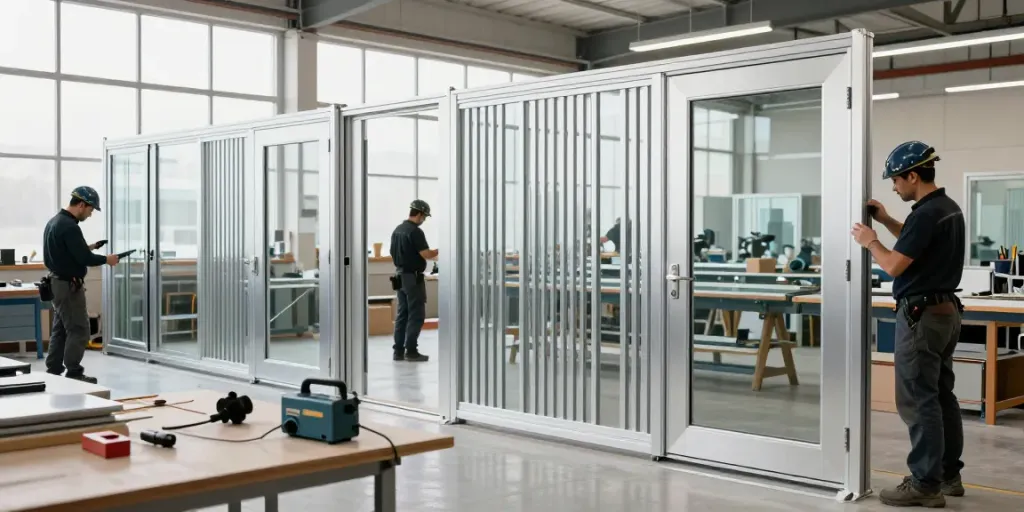
In-house fabrication offers numerous advantages that contribute to the quality and efficiency of aluminium and glass projects:
- Quality Control: When manufacturing is done on-site, it allows for consistent quality and adherence to specific project requirements, reducing the likelihood of errors.
- Streamlined Communication: Direct interaction between design and fabrication teams facilitates prompt adjustments and modifications, leading to smoother project execution.
- Faster Turnaround Times: Eliminating third-party vendors helps in speeding up production and installation processes, essential for time-sensitive projects.
Key Techniques for Quality Aluminium and Glass Fabrication
Essential Tools and Equipment for Professional Results
Utilizing the right tools is critical for achieving high-quality results in aluminium and glass fabrication. Essential tools include:
- Laser Cutters: For precision cutting of aluminium and glass sheets, ensuring clean edges and accurate dimensions.
- Water Jet Cutters: Ideal for intricate designs and patterns, providing versatility in both materials.
- Welding Machines: For joining aluminium pieces, ensuring structural integrity and durability.
- Glass Tempering Ovens: To enhance glass strength and thermal resistance, crucial for safety and longevity.
Best Practices for Precision Cutting and Assembly
Precision in cutting and assembly is vital for the overall success of any aluminium and glass project. Recommended practices include:
- Accurate Measuring: Always measure twice before cutting to avoid material wastage and ensure the right fit for each component.
- Proper Alignment: During assembly, ensure that all parts are correctly aligned to maintain structural integrity and aesthetic appeal.
- Regular Equipment Maintenance: Keeping tools and machines well-maintained ensures consistent performance and high-quality outputs.
Managing Quality Control Throughout the Process
Quality control is an ongoing aspect of any fabrication project. Implementing rigorous checks at different stages can help catch issues early:
- Pre-Fabrication Inspection: Assess materials for defects before fabrication begins.
- In-Process Checks: Regularly inspect pieces during fabrication to ensure they meet specifications.
- Final Inspection: Conduct a thorough final check before installation to ensure all components are up to standard.
Common Challenges in Aluminium and Glass Projects
Addressing Corrosion Risks in Coastal Areas
One of the most pressing challenges in regions like Fujairah is managing corrosion, particularly for exterior metalwork. To combat this issue, using high-quality powder coatings and regularly scheduled maintenance checks can prolong the lifespan of metal components. Additionally, selecting corrosion-resistant alloys can mitigate the adverse effects of salt exposure.
Managing Design Changes Efficiently
Design changes are a common occurrence in construction projects, and managing them efficiently is essential. Here are effective strategies:
- Clear Communication: Maintain open lines of communication between all stakeholders to ensure everyone is informed of changes.
- Flexible Planning: Build flexibility into your project timelines to accommodate design amendments without significant delays.
- Document Changes: Keep a written record of all design changes to prevent any misunderstandings or disputes later on.
Overcoming Supply Chain Issues
Supply chain disruptions can halt projects and affect budgets. To mitigate this risk, consider the following:
- Local Suppliers: Partnering with local suppliers can reduce lead times and increase reliability.
- Diverse Sourcing: Avoid relying on a single supplier for critical materials; having multiple sources can protect against shortages.
- Inventory Management: Maintain appropriate stock levels of essential materials to avoid project delays due to supply chain issues.
Innovative Solutions in Aluminium and Glass Works
Using Advanced Technology for Custom Fabrication
Advanced technologies have revolutionized how aluminium and glass work is done. The adoption of technologies such as:
- CNC Machines: For precision cutting and milling.
- 3D Printing: Prototyping complex designs with rapid iteration capabilities.
- Building Information Modeling (BIM): Enhancing visualization and communication during the design process.
Sustainability Practices in Material Selection
In a world increasingly focused on sustainability, choosing environmentally-friendly materials is more important than ever. Aluminium is highly recyclable, and integrating sustainable practices into your projects can appeal to eco-conscious clients. Some practices include:
- Using Recycled Materials: Incorporating recycled aluminium can significantly reduce your project's environmental impact.
- Energy-Efficient Production Methods: Adopting production techniques that consume less energy without compromising quality.
- Design for Disassembly: Creating structures that can be easily disassembled encourages recycling at the end of their lifespan.
Emerging Trends for 2026 and Beyond
The future of aluminium and glass work is bright, with several trends shaping the industry:
- Smart Glass: Technology that allows glass to change properties, such as tint or opacity, enhancing energy efficiency and privacy.
- Modular Construction: Prefabricated elements that allow for rapid assembly on site, reducing construction time and costs.
- Biophilic Design: Incorporation of natural elements into design, promoting sustainability and well-being.
Real-World Applications and Success Stories
Notable Projects Completed in Fujairah
Al Taher Group has been instrumental in various projects throughout Fujairah, showcasing the potential of aluminium and glass works. Notable projects include:
- Luxury Villas: Custom gates, railings, and large glass facades were fabricated and installed, enhancing the aesthetic and functional quality of high-end residential properties.
- Commercial Spaces: Office buildings fitted with energy-efficient window systems that comply with modern design standards.
- Public Installations: Parks and recreational areas designed with pergolas and decorative elements that reflect the local environment.
Client Testimonials: Experiences in Custom Fabrication
Client feedback plays a vital role in assessing service quality. Here are a couple of testimonials from satisfied customers:
- Mr. Al-Hamadi: "Al Taher Group transformed my villa with stunning aluminium gates and beautiful glass windows. Their attention to detail was impeccable."
- Mrs. Al-Farsi: "The team was professional and delivered ahead of schedule. The quality of their work exceeds expectations!"
Case Studies: Challenges and Innovative Solutions
Using real-world examples helps illustrate the effectiveness of selected strategies. For instance, in a recent project involving the installation of a large glass atrium:
- Challenge: Managing weight and stability due to the large glass panels.
- Solution: Implemented a modular support system that evenly distributed weight, ensuring safety and durability.
What Should You Consider Before Starting a Project?
Before embarking on an aluminium and glass project, consider these vital factors:
- Budget Constraints: Be clear about your budget to avoid overextending financial resources.
- Design Objectives: What aesthetic or functional goals do you have for the project?
- Timeline: Determine how quickly you need the project completed and work backward from there.
How Can You Ensure a Successful Collaboration?
Collaboration is key to the success of any project. Here are a few strategies to promote effective partnerships:
- Clear Expectations: Ensure all parties understand their roles and responsibilities from the beginning.
- Regular Updates: Schedule frequent check-ins to monitor progress and address any concerns.
- Open Feedback Channels: Encourage feedback to improve processes and outcomes throughout the project.
What Are the Latest Trends in Aluminium and Glass Design?
Keeping abreast of design trends can inspire innovative solutions. Recent trends include:
- Minimalist Designs: Streamlined forms and finishes that focus on functionality and elegance.
- Integrated Lighting: Incorporating lighting elements into aluminium frames and glass installations for enhanced aesthetics.
- Textured Glass: Using patterned glass to create unique visual effects in buildings.