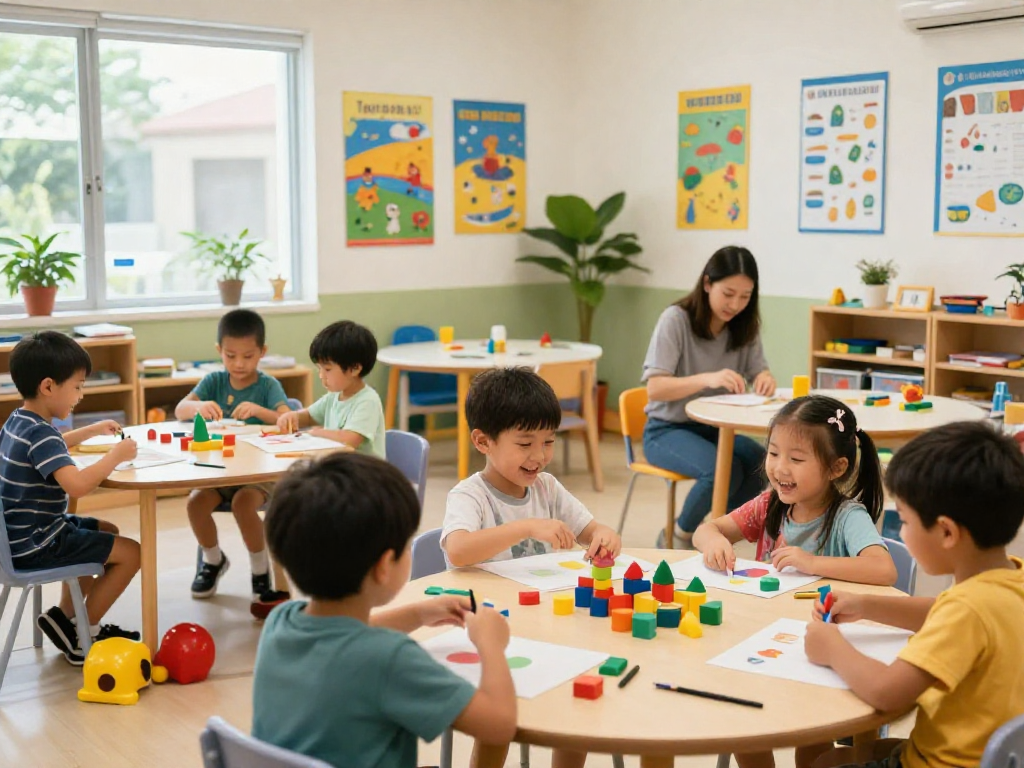
Understanding Inquiry-Based Learning in Preschools
In the world of early childhood education, inquiry-based learning stands out as a pivotal approach that reshapes how young children engage with their environment. This method encourages children to explore their surroundings actively, ask questions, and seek answers, thereby fostering a natural curiosity that is intrinsic to their development. For parents in Singapore, selecting a preschool that emphasizes such an approach can play a significant role in their child’s educational journey. When exploring options, pre schools in Singapore offer comprehensive insights into effective learning methodologies.
What is Inquiry-Based Learning?
Inquiry-based learning is an educational strategy that places students' questions, ideas, and observations at the center of the learning process. It promotes a hands-on approach where children are encouraged to explore their interests through guided activities and projects. This method contrasts sharply with traditional rote learning, where memorization is the primary focus. In inquiry-based classrooms, children learn to think critically, enabling them to navigate complex information and develop problem-solving skills.
Benefits of an Inquiry-Based Approach
- Enhanced Engagement: Children are naturally curious. This curiosity drives them to engage deeper with the subject matter.
- Critical Thinking Skills: By exploring and asking questions, children learn to think critically and make informed decisions.
- Collaborative Learning: Inquiry-based learning often involves group work, promoting teamwork and social interaction among peers.
- Personalized Education: This approach accommodates various learning styles and paces, allowing children to learn in ways that suit them best.
How It Differs from Traditional Education
Traditional education often emphasizes a one-size-fits-all approach, relying heavily on memorization and standardized testing. In contrast, inquiry-based learning prioritizes the process of discovery and exploration. While traditional methods may deliver information efficiently, they often overlook the importance of fostering a child's inherent desire to learn. Inquiry-based learning creates a dynamic classroom environment where students feel invested in their education, leading to deeper understanding and retention of knowledge.
Choosing the Right Preschool in Singapore
Selecting the right preschool is a crucial decision that impacts your child's early educational experience. It is essential to consider various factors to ensure that the preschool aligns with your child's needs and your family's values. With numerous pre schools in Singapore available, it's imperative to conduct thorough research before making a choice.
Key Factors to Consider
- Curriculum: Investigate whether the preschool employs inquiry-based learning or other innovative educational approaches that stimulate curiosity and creativity.
- Facilities: Evaluate the school's environment for safety and suitability. A well-equipped preschool with adequate playgrounds enhances learning through play.
- Teacher Qualifications: The quality of educators significantly impacts learning. Look for schools with trained, passionate, and experienced teachers who prioritize child development.
- Parental Involvement: Choose a preschool that encourages parent engagement. An active partnership between teachers and parents supports holistic child development.
Top Pre Schools in Singapore to Explore
Various preschools in Singapore stand out for their commitment to quality early childhood education. Some of the top recommendations include:
- Pegasus International Preschool: Notable for its inquiry-based curriculum and multicultural environment.
- MindChamps: Renowned for its championing of preschool creativity and holistic development.
- The Little Executive: Offers bilingual education with a focus on developing entrepreneurship skills from a young age.
- British International School: Features a robust curriculum based on the British educational structure.
Parental Involvement in the Selection Process
As parents, being involved in the preschool selection process is vital. Attend open houses, participate in school tours, and ask questions that matter to you. Engaging with other parents can also provide firsthand insights into the preschool's environment and teaching philosophy. Building a relationship with staff and teachers can help assess if the preschool will support your child's individual needs.
Curriculum Highlights of Leading Preschools
Understanding the curriculum of prospective preschools can significantly influence your decision. Each preschool adopts unique methodologies tailored to foster holistic development. Here are some key highlights:
Holistic Development Focus
Leading preschools prioritize holistic development, ensuring that children grow socially, emotionally, physically, and cognitively. This approach integrates life skills training, creative arts, and physical education into the curriculum, providing a well-rounded educational experience.
Languages and Cultural Diversity Education
Diversity is celebrated in many Singaporean preschools. Programs that encourage multiple languages - such as English, Mandarin, and Japanese - equip children with valuable communication skills and cultural appreciation from an early age. This exposure fosters adaptability and social harmony in our multicultural society.
Innovative Teaching Methods and Activities
Preschools that incorporate innovative teaching methods, such as project-based learning, storytelling, and artistic expression, engage children in unique ways. These methods not only aid comprehension but also enhance children's ability to articulate their thoughts and feelings, preparing them for future academic challenges.
Addressing Common Concerns for Parents
As parents, it's natural to have concerns when transitioning your child into preschool. Understanding what to expect can alleviate anxiety and ensure a smooth start to your child's educational journey.
Transitioning to Preschool: What to Expect
The transition to preschool can be overwhelming for both children and parents. Common feelings include anxiety and uncertainty about separation. It's essential to prepare your child by discussing what preschool will be like, visiting the school together, and establishing a goodbye routine that promotes confidence.
Balancing Learning and Play
One of the central tenets of preschool education is the balance between structured learning and free play. Recognizing that play is integral to children's development allows preschools to create an environment where children can learn naturally. A curriculum that includes ample time for unstructured play fosters creativity, critical thinking, and social skills.
Safety and Welfare in Preschool Environments
Parents should prioritize their child's safety when selecting a preschool. This includes checking the school’s safety protocols, emergency procedures, and overall cleanliness. A safe preschool environment allows children to explore freely and engage in learning without fear.
Future Trends in Preschool Education by 2026
As education continually evolves, several trends are expected to shape preschool education in the coming years. Staying informed about these trends can help parents adapt and align their choices with future educational landscapes.
Incorporation of Technology in Learning
With the rapid advancement of technology, many preschools are integrating digital tools into their teaching. This incorporation not only makes learning more engaging but also prepares children for a technology-driven world. Interactive apps and educational games can supplement traditional learning methods.
Growing Demand for Multilingual Education
As globalization increases, the demand for multilingual education is on the rise. Preschools that offer programs in multiple languages will likely see greater enrollment, as parents recognize the long-term benefits of bilingualism in an interconnected world.
Personalized Learning Experiences for Children
The future of preschool education will emphasize personalized learning experiences tailored to each child's individual needs and interests. With smaller class sizes and adaptive curricula, educators can focus on the unique strengths and challenges of each child, ensuring a more effective learning experience.
FAQs
What should I look for in a preschool?
When choosing a preschool, consider the curriculum, teaching staff qualifications, the learning environment, and opportunities for parental involvement. Ensure they align with your child's needs and your family's values.
How does inquiry-based learning enhance my child’s education?
Inquiry-based learning engages children in active exploration. It fosters critical thinking, enhances problem-solving capabilities, and encourages a lifelong love for learning, setting a strong foundation for future educational pursuits.
What are the benefits of multilingual education in preschool?
Multilingual education nurtures cognitive development, enhances communication skills, and promotes cultural awareness. Children exposed to multiple languages early are better equipped to adapt to diverse environments.
How can I support my child's learning at home?
Encourage curiosity by providing diverse experiences, such as visits to museums and libraries. Engage in conversations about their interests and participate in activities that promote creativity and critical thinking.
When should I start looking for a preschool?
Begin your search at least a year before your child’s expected start date. This allows ample time to research options, visit schools, and make an informed decision.