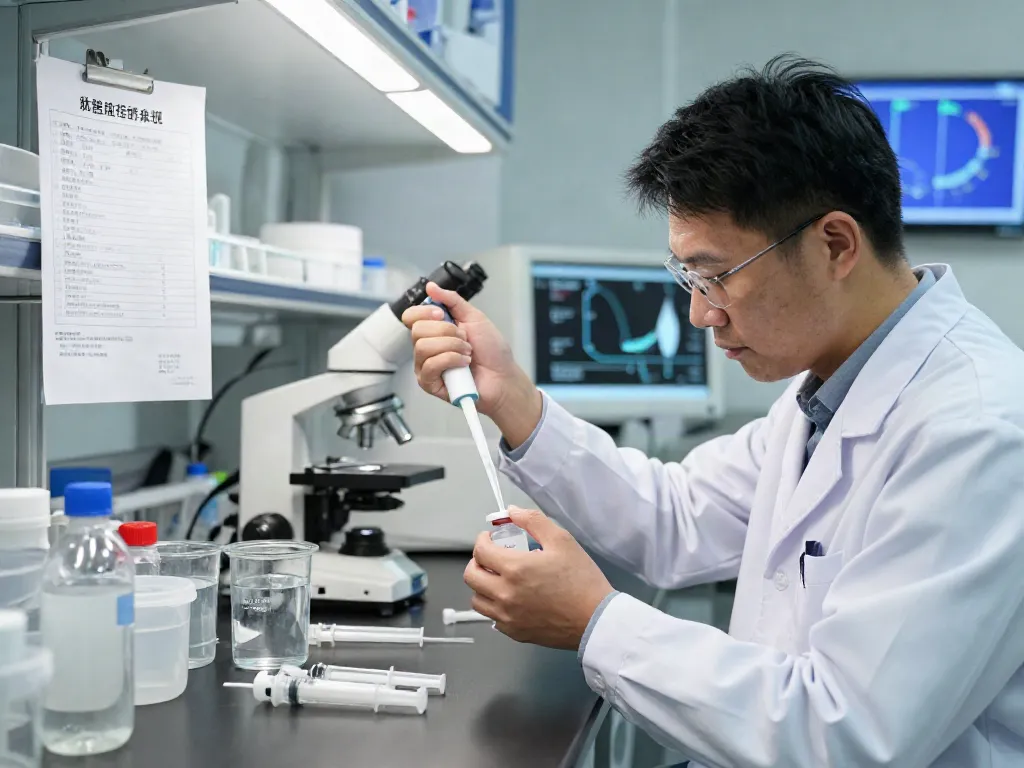
Understanding Bacteriostatic Water: Fundamentals and Importance
Bacteriostatic water plays a crucial role in scientific research and medical applications, primarily used as a diluent for injectable drugs and peptides. One of the most common forms is the 2 ml bac water, which has gained popularity due to its effectiveness in various applications ranging from laboratory experiments to clinical treatments. Understanding the fundamentals of bacteriostatic water, including its definition, uses, and preservation methods, is essential for researchers and medical practitioners alike.
When exploring options, 2 ml bac water provides comprehensive insights into both preparation and application methodologies.
Definition of Bacteriostatic Water
Bacteriostatic water is a sterile solution that contains 0.9% benzyl alcohol, functioning as a preservative that inhibits the growth of bacteria. This water is specifically designed for dilution or dissolution of drugs intended for injection, making it suitable for various medical and research uses. Its sterile nature ensures that the solution is free from any microbial contamination, which is paramount for patient safety.
Key Uses of 2 ml Bac Water in Research
- Preparation of Injectable Peptides: Researchers often use 2 ml bac water to reconstitute peptides before administration, ensuring that the compounds remain stable and effective.
- Calibration of Dosages: The 2 ml format allows for precise dosage measurements, making it easier to calculate the concentration of active ingredients when preparing solutions.
- Experimental Consistency: Utilizing bacteriostatic water helps maintain consistent experimental conditions across multiple trials, minimizing variability in outcomes.
The Role of Benzyl Alcohol in Preserving Bacteriostatic Water
Benzyl alcohol serves as a key component in bacteriostatic water, acting as a preservative that prolongs the shelf life of the solution. By inhibiting bacterial growth, it ensures that the water remains sterile for extended periods, which is essential for its use in a research or clinical environment. The presence of benzyl alcohol also means that bacteriostatic water should be used within specific guidelines, particularly regarding dosage and storage.
Common Mistakes When Using 2 ml Bac Water
Misunderstanding Dosage Measurements
A frequent error occurs when users misinterpret the concentration of the solution after dilution. For example, adding 2 ml of bacteriostatic water to a peptide vial can yield varying concentrations depending on the initial amount of peptide present. Ensuring accurate understanding of dosage is crucial for effective outcomes.
Improper Handling and Storage Techniques
Another common mistake involves the storage and handling of bacteriostatic water. It is essential to keep the product in a cool, dry place and to always use sterile techniques during handling. Any contamination can compromise the integrity of the solution and lead to adverse effects during administration.
Ignoring Expiration Dates and Quality Control
Users often overlook expiration dates, assuming that if the vial appears intact, it is still effective. This assumption can be misleading. Regularly checking expiration dates and adhering to quality control measures is vital to avoid using expired solutions that may no longer have the intended properties.
Best Practices for Working with Bacteriostatic Water
Recommended Techniques for Safe Preparation
To ensure safety and efficacy, researchers should adopt best practices when preparing solutions with bacteriostatic water. It is advisable to follow aseptic techniques, use sterile equipment, and work in a controlled environment to avoid contamination. Additionally, always label vials with the date of preparation and any specific instructions regarding their use.
Essential Lab Equipment for Handling Bacteriostatic Water
Having the right laboratory equipment is crucial for successful handling of bacteriostatic water. Essential tools include:
- Syringes with sterile needles
- Alcohol wipes for sanitizing surfaces
- Storage vials specifically designed for injectable solutions
Quality Assurance Protocols
Implementing quality assurance protocols is essential in any laboratory setting. This includes regular audits of procedures, training staff on best practices, and maintaining clear documentation of all procedures involving bacteriostatic water.
Case Studies: Lessons Learned from Industry Professionals
Successful Applications of 2 ml Bac Water in Research
Many researchers have successfully utilized 2 ml bac water in various studies, particularly in pharmacokinetic research. By accurately reconstituting peptides and monitoring their effects, they have gathered valuable data that contribute to advancements in treatment protocols.
Failures and Their Impact on Results
However, not all applications yield success. Some studies have faced issues due to improper dilution or storage of bacteriostatic water, leading to skewed results or failed experiments. Such occurrences highlight the necessity of adhering to established guidelines when using these solutions.
Expert Insights on Best Practices
Experts emphasize the importance of continuous education regarding the handling and application of bacteriostatic water. Staying updated on the latest research findings and advancements in the field can significantly enhance the effectiveness of experiments and treatments involving this solution.
The Future of Bacteriostatic Water in Scientific Research
Emerging Trends for 2026 and Beyond
As we look to the future, the use of bacteriostatic water, particularly in its 2 ml form, is expected to expand. Innovations in drug formulations and delivery systems will likely drive increased demand for high-quality bacteriostatic solutions. Moreover, as research into peptides and other injectable drugs advances, the specifications for bacteriostatic water may also evolve.
Technological Advancements in Storage and Delivery
Technological improvements are set to enhance the storage and delivery options for bacteriostatic water. Innovations in smart packaging technologies may provide enhanced monitoring of sterility and efficacy, ensuring that healthcare professionals and researchers have access to the highest quality products.
Regulatory Implications and Industry Standards
With the increasing reliance on bacteriostatic water in clinical settings, regulatory bodies are likely to impose stricter standards regarding manufacturing practices, labeling requirements, and distribution protocols. Adhering to these standards will be essential for fostering trust and safety within the medical community.
What is the best way to use 2 ml bac water effectively?
To use 2 ml bac water effectively, always ensure that the dilution ratio matches your drug’s specifications, and employ sterile techniques during reconstitution. It’s also important to consult relevant guidelines for the specific peptide or drug being prepared.
Are there any risks associated with improper use of bac water?
Yes, improper use of bacteriostatic water can lead to contamination, inaccurate dosing, and compromised drug efficacy, all of which can have serious repercussions in clinical outcomes.
Where can I purchase 2 ml bac water safely?
2 ml bac water can be purchased from reputable online retailers, pharmacies, and specialty medical supply stores. Always verify the supplier’s credentials and ensure that the products comply with safety standards.
How do I store 2 ml bac water appropriately?
Store 2 ml bac water in a cool, dry place away from direct sunlight. Ensure that the vial is sealed appropriately and kept sterile until use.
What are the differences between bacteriostatic and sterile water?
The primary difference lies in the preservative content; bacteriostatic water contains benzyl alcohol to prevent bacterial growth, whereas sterile water does not contain any additives and is simply meant for single-use applications.