The Importance of Aerospace CNC Machining in 2026
The aerospace industry is witnessing unprecedented advancements, and at the forefront of this transformation is CNC machining technology. With the growing demand for precision, efficiency, and scalability, CNC machining has become an indispensable method for the production of aerospace components. As we move into 2026, understanding the role of leading aerospace cnc parts manufacturers sheds light on how these innovations are shaping the future of aerospace engineering.
Understanding Precision in Aerospace Manufacturing
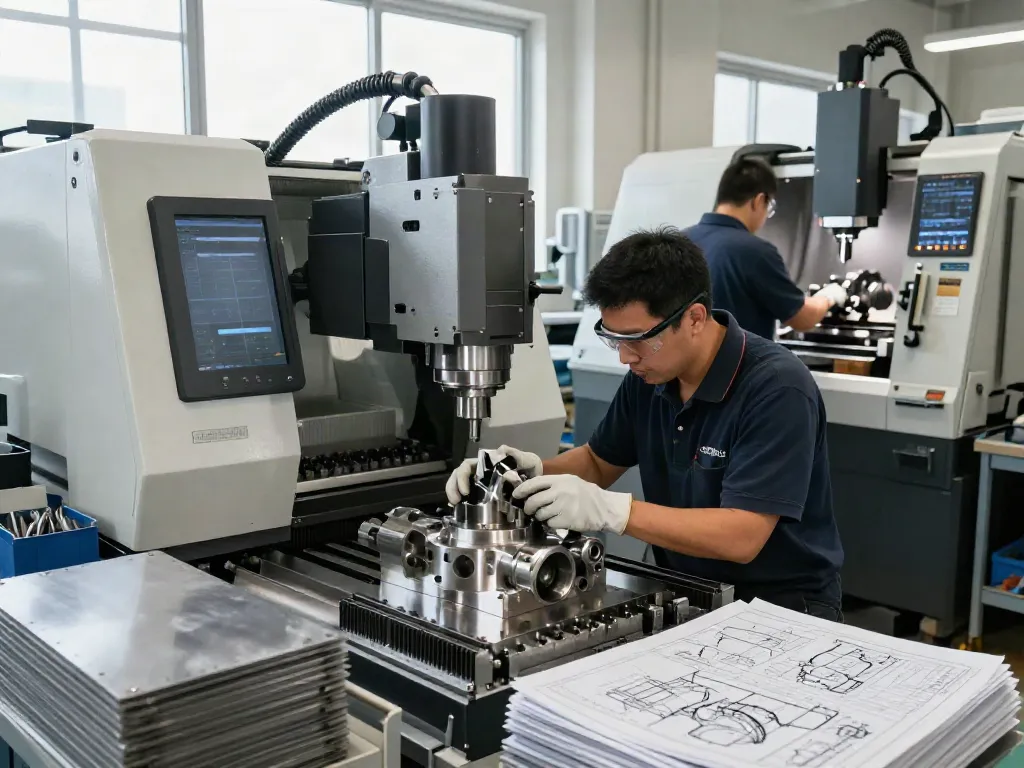
Precision is paramount in the aerospace sector, where the smallest discrepancies can lead to catastrophic failures. CNC machining offers a repeatability rate of up to 99.9%, making it ideal for manufacturing components that must adhere to stringent specifications. The use of advanced technologies such as 5-axis milling allows for complex geometries to be machined in a single setup, enhancing accuracy and reducing turnaround times.
Moreover, modern CNC machines are equipped with sophisticated software that can simulate entire machining processes, allowing engineers to identify and rectify potential issues before physical production. This proactive approach not only saves time but also significantly reduces material wastage and costs.
Benefits of CNC Machining Over Traditional Methods
Traditional machining methods often involve manual setups and adjustments, which can be time-consuming and error-prone. In contrast, CNC machining automates these processes, providing several key benefits:
- Increased Efficiency: CNC machines operate continuously, allowing for higher output rates and shorter lead times.
- Enhanced Precision: With laser-like accuracy, CNC machining minimizes human error and ensures consistency across all parts.
- Flexibility: CNC systems can be easily reprogrammed for different parts, accommodating both small-batch runs and mass production.
- Cost-Effectiveness: By reducing labor costs and material waste, CNC machining becomes more economically viable, especially for large orders.
User Pain Points in Aerospace Machining Processes
Despite the advantages, users of CNC machining in aerospace still face challenges. These include issues with regulatory compliance, which are crucial for parts that must meet FAA and EASA standards. Additionally, the complexity of aerospace designs often leads to longer setup times and a need for highly skilled operators. Addressing these pain points requires an ongoing commitment to training and development within the workforce, alongside investment in advanced machinery and software.
Leading Aerospace CNC Parts Manufacturers: A Market Overview
The landscape of aerospace CNC manufacturing is continually evolving, with several key players driving innovation and quality. The competition among leading aerospace cnc parts manufacturers fosters an environment where quality and efficiency are paramount.
Profiles of Top Companies in 2026
In 2026, several companies stand out in the aerospace CNC machining market:
- Ardel Engineering: Focused on rapid prototyping and low-volume production, Ardel leverages advanced CNC technology to ensure precision in every part.
- Owens Industries: A leader in precision machining, Owens Industries specializes in high-tolerance components for both commercial and military aerospace applications.
- Miller CNC: An AS9100-certified shop, Miller CNC is known for its commitment to quality and ability to handle complex designs.
- Precision Aerospace Machining: This company excels in manufacturing critical aerospace components while ensuring stringent compliance with industry standards.
Market Trends Influencing Aerospace Manufacturing
As we look ahead, several trends are shaping the market for aerospace CNC machining:
- Increased Automation: Automation not only reduces operational costs but also enhances production capabilities, leading to shorter lead times.
- Sustainability Initiatives: Manufacturers are increasingly adopting sustainable practices, such as reducing energy consumption and utilizing eco-friendly materials.
- Digital Transformation: The integration of IoT and AI into manufacturing processes allows for better data collection and analysis, fostering continuous improvement.
Emerging Technologies in CNC Machining
Technological advancements are critical to maintaining a competitive edge in aerospace manufacturing. Innovations such as additive manufacturing (3D printing) and hybrid machining—integrating traditional subtractive methods with additive processes—are gaining traction. These technologies allow for more complex geometries and lightweight designs, crucial for modern aerospace applications.
Key Materials Used in Aerospace CNC Parts
The choice of materials in aerospace manufacturing significantly impacts performance, cost, and compliance with safety regulations. Understanding these materials is key for manufacturers aiming to produce high-quality parts.
Commonly Used Metals and Their Applications
Within the aerospace sector, several metals are frequently used due to their desirable properties:
- Aluminum: Known for its lightweight and corrosion-resistant properties, aluminum is commonly used in aircraft components.
- Titanium: Highly valued for its strength-to-weight ratio and resistance to extreme temperatures, titanium is often used in engines and structural components.
- Stainless Steel: Utilized for its strength and resistance to heat and corrosion, stainless steel is essential for components that require durability.
Innovative Plastics in Aerospace Prototyping
In addition to metals, a variety of plastic materials play a vital role in aerospace applications:
- PVC: Known for its versatility and ease of fabrication, PVC is often used in non-structural components.
- PEEK: A high-performance polymer that withstands extreme conditions, PEEK is increasingly utilized in critical aerospace components.
- ABS: With excellent impact resistance, ABS is ideal for parts requiring durability without compromising on weight.
How Material Choice Affects Performance and Cost
The selection of materials not only affects the performance characteristics of aerospace components but also has significant cost implications. High-performance metals may offer enhanced durability but can also increase production costs. Conversely, using alternative materials like advanced plastics can help reduce weight and manufacturing expenses while meeting industry standards. Evaluating the trade-offs associated with material choices remains a critical consideration for manufacturers.
Challenges Faced by Leading Aerospace CNC Parts Manufacturers
Even with advancements in technology and materials, aerospace CNC manufacturers encounter numerous challenges that hinder efficiency and growth.
Regulatory Compliance and Quality Assurance Issues
Compliance with aerospace regulations is non-negotiable. Manufacturers must navigate a complex landscape of standards set by organizations such as the FAA and EASA. Maintaining ISO certifications and meeting AS9100 standards requires rigorous quality assurance processes, which can strain resources.
Supply Chain Disruptions in Aerospace Parts Production
Recent global events have highlighted the vulnerabilities in supply chains, affecting the availability of raw materials and components. Manufacturers must develop strategic supplier relationships and consider multi-sourcing strategies to ensure continuity in production and mitigate risks associated with supply chain disruptions.
Addressing Skill Gaps in the Workforce
As technology evolves, so too does the skill set required by the aerospace workforce. Many manufacturers are facing a shortage of qualified technicians who can operate advanced CNC machinery and implement innovative techniques. Investing in training programs and partnerships with educational institutions can help bridge this gap and ensure a skilled workforce for the future.
The Future of Aerospace CNC Machining
The future of CNC machining in aerospace looks promising, driven by continuous innovation and a focus on efficiency. Manufacturers must adapt to changing market demands and technological advancements to remain competitive.
Predicted Trends for 2026 and Beyond
Looking ahead, several trends are expected to influence the aerospace CNC machining landscape:
- Advanced Manufacturing Technologies: Technologies like AI, machine learning, and robotics are anticipated to revolutionize production processes, enhancing efficiency and accuracy.
- Increased Focus on Sustainability: The aerospace industry is under pressure to reduce its environmental impact, leading to the adoption of greener manufacturing practices.
- Customization and Personalization: As customer demands evolve, manufacturers will need to enhance their capabilities for customized production runs and rapid prototyping.
Environmental Considerations in CNC Manufacturing
Environmental sustainability is a growing concern in the aerospace industry. Manufacturers are exploring eco-friendly materials and energy-saving technologies to minimize their carbon footprint. Implementing sustainable practices not only benefits the environment but also appeals to an increasingly eco-conscious market.
Innovative Solutions for Sustainable Practices
Companies are developing innovative solutions to address sustainability challenges. This includes adopting closed-loop systems for waste management, investing in renewable energy sources, and utilizing biodegradable materials where possible. By integrating these strategies, aerospace manufacturers can contribute to a more sustainable future while maintaining operational efficiency.
What are the benefits of CNC machining in aerospace?
CNC machining offers unparalleled precision, efficiency, and flexibility, making it a preferred method for producing complex aerospace components. The technology allows for rapid prototyping, which is essential for testing and iterating designs swiftly, thus reducing time to market.
How do leading aerospace CNC parts manufacturers ensure quality?
Leading manufacturers implement rigorous quality control processes, including regular audits and adherence to international standards like AS9100. This ensures that all components meet the required specifications and regulations, minimizing the risk of failure in critical aerospace applications.
What materials are best for aerospace CNC parts?
The best materials for aerospace CNC parts include lightweight metals such as aluminum and titanium, as well as high-performance plastics like PEEK and ABS. The choice depends on the specific application requirements, including strength, weight, and durability.
What challenges face the aerospace manufacturing industry today?
Challenges in the aerospace manufacturing industry include regulatory compliance, supply chain disruptions, and a shortage of skilled labor. Addressing these issues is essential for maintaining efficiency and producing high-quality components.
What does the future hold for aerospace CNC machining?
The future of aerospace CNC machining is set to be defined by innovation, sustainability, and automation. As the industry continues to evolve, manufacturers must embrace these changes to enhance their competitive edge and meet the demands of the modern aerospace landscape.